Information Integrity at COP30
COP30, which took place in Belem, Brazil, was described by President Lula as the “COP of truth”. Proving this point, for the first time in COP history, information integrity has formally been included on the UNFCCC Action Agenda.
There were two dedicated thematic days focusing on Information Integrity at COP30 – November 12th and 13th. These days were critical for highlighting the erosion of Information Integrity – which ultimately derails effective climate action – and for discussing the concrete actions needed to tackle the issue. At COP, CAN highlighted how advertising can and must play a vital role in improving the future of climate Information Integrity.
“Getting ‘information integrity’ onto the COP agenda in a year where ‘COP of Truth’ was one of the rallying messages is a genuine watershed moment and a victory that should be celebrated. The formal recognition that our information environment is a critical space for tackling the climate crisis is an important step, but we have a great deal of work to do. We’re excited to continue to work as part of a network of organisations from climate experts, academics, non-profit organisations and the advertising community, demonstrating that this is an issue that needs urgent attention”
COP, and Information Integrity, is crucial for advertisers. The UN Global Principles for Information Integrity, released in 2024, outlines in part how advertisers and tech companies can adopt business models that simultaneously uphold human rights and strengthen information integrity, while also making good business sense.
In September 2025, the ‘From Principles to Practice’ document – a practical companion document to the UNGPII – was released, which outlines tangible steps for organisations, including advertisers, to begin implementing the UNGPII into their operations.
The Declaration on Information Integrity on Climate Change
On Wednesday November 12th, the Declaration on Information Integrity on Climate Change was launched at COP30. In the words of Charlotte Scaddan, (senior advisor on information integrity to the UN Global Communications), this is a “breakthrough moment” – marking the first time any states have formally committed to fighting climate disinformation. Austria, Portugal, Iceland, Norway, Czech Republic, Luxemburg, Slovenia and Estonia have also signed on to the Declaration since launch, joining Brazil, Canada, Chile, Denmark, Finland, France, Germany, Spain, Sweden, Uruguay, Netherlands, and Belgium – a total of 20 states. The Declaration comes out of the Global Initative for Information Integrity on Climate Change.
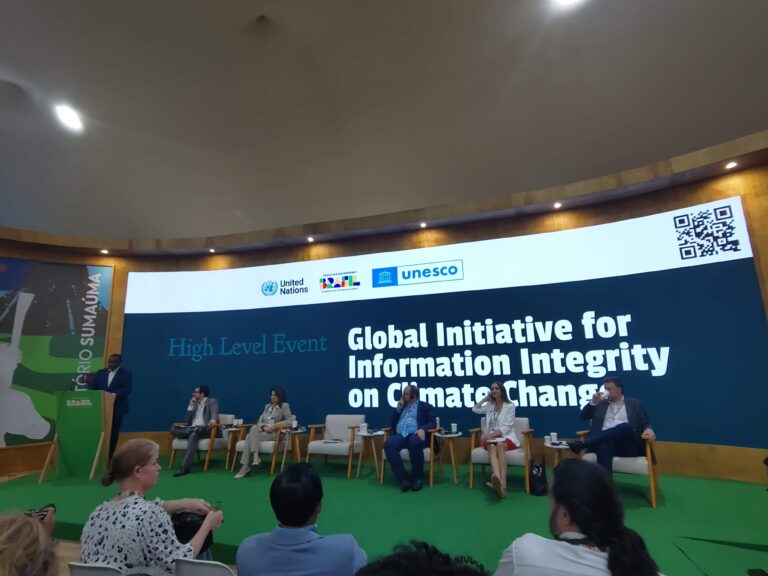
These States have committed to promoting the integrity of information related to climate change, supporting a diverse and resilient media ecosystem, and strengthening international cooperation to promote information integrity on climate change.
They also call on the private sector to:
- Commit to the integrity of information on climate change in their business practices, in line with the United Nations Guiding Principles on Business and Human Rights.
- Ensure transparent, human rights-responsible advertising practices that bolster information integrity on climate change and support reliable information and journalism.
“In endorsing this Declaration, we reaffirm our shared responsibility to ensure that societies around the world are empowered with the knowledge and information they need to act urgently and decisively in the face of the climate crisis,” the Declaration concludes.
Speaking on the Declaration and the importance of addressing information integrity, António Guterres (Secretary-General of the United Nations) said:
“I welcome the stand taken by the 13 countries that have signed the Declaration on Information Integrity on Climate Change, which marks first time information integrity has been prioritized in international climate talks. I urge other countries to join this effort and to cement information integrity into COP processes. We cannot achieve climate action without information integrity. We must preserve both the information environment necessary for democratic decision-making and the global cooperation essential for addressing the climate crisis.”
CAAD Open Letter
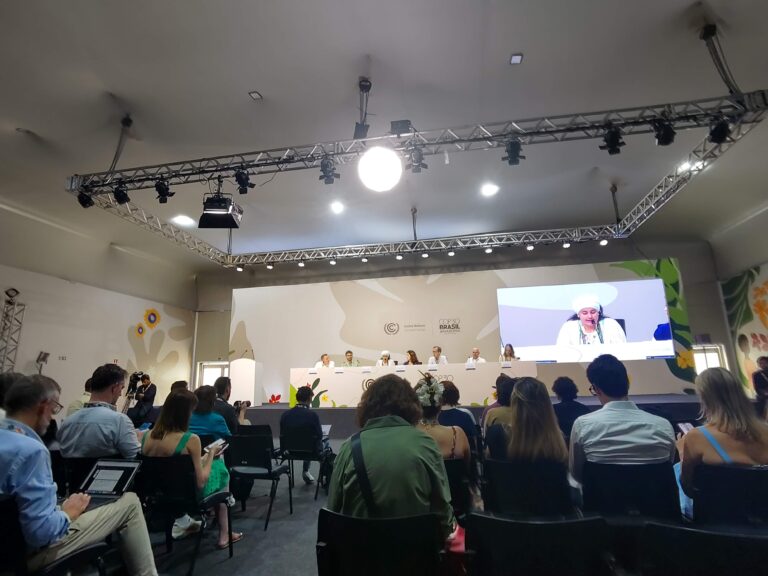
Climate Action Against Disinformation (CAAD) released an open letter calling on all national government delegations to champion a strong, ambitious, and mandatory decision at COP30 to uphold information integrity on climate change. Over 400 climate leaders, organisations, academics, scientists, and doctors signed the call for action. Their message was clear: this is the time for robust, binding measures that protect public health, democracy and the planet’s future. You can watch the press conference of the launch of the open letter here, to hear the powerful message behind the call to action.
CAN at COP30

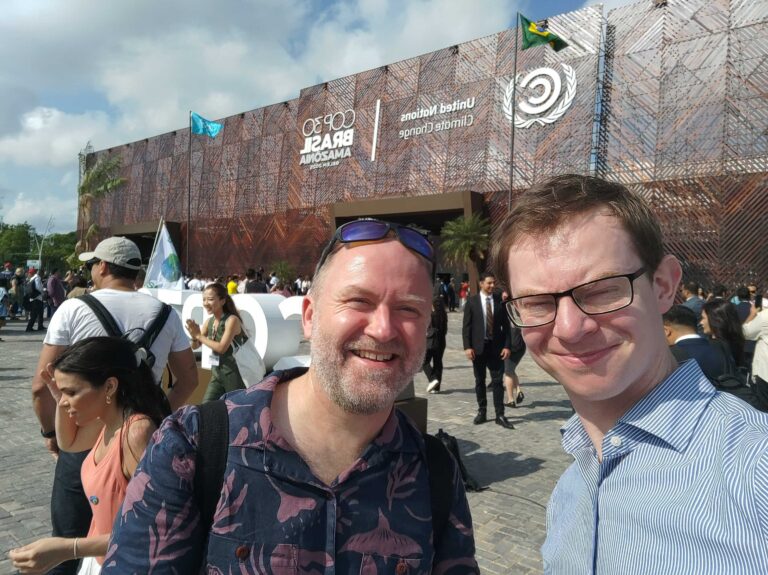
CAN Co-Founder Jake Dubbins and CAN Head of Advocacy Alex Murray were on the ground in Belém during the first week of COP30, making it their mission to highlight how advertising can and must play a vital role in improving the future of climate information integrity.
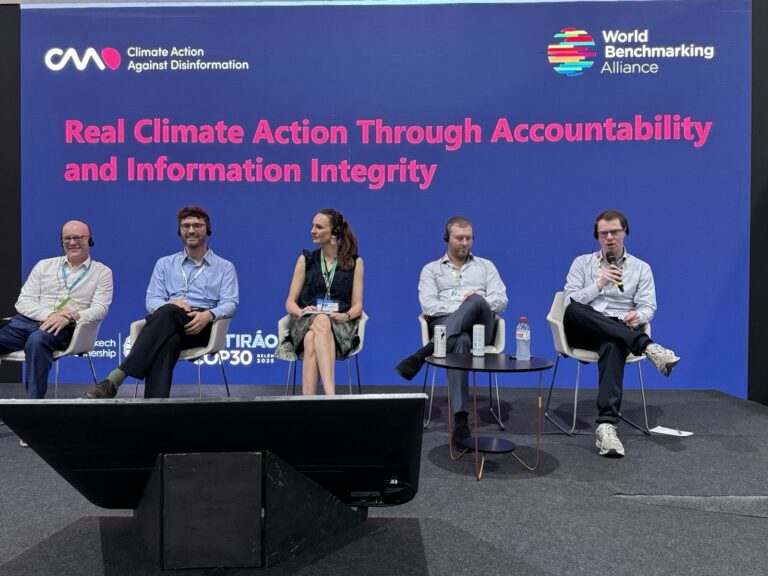
Alex hosted a panel as part of the UN Climate Action Agenda looking at Real Climate Action Through Accountability and Information Integrity, featuring voices from the World Benchmarking Alliance, C40 Cities, ACT Climate Labs, and the Global Wind Energy Council. Jake spoke at the Plan to Accelerate Solutions (PAS) Implementation Workshop focusing on the Promotion of Climate Information Integrity, as well as at a session looking at Information Integrity – Strengthening Media and Advertising for Climate Action.
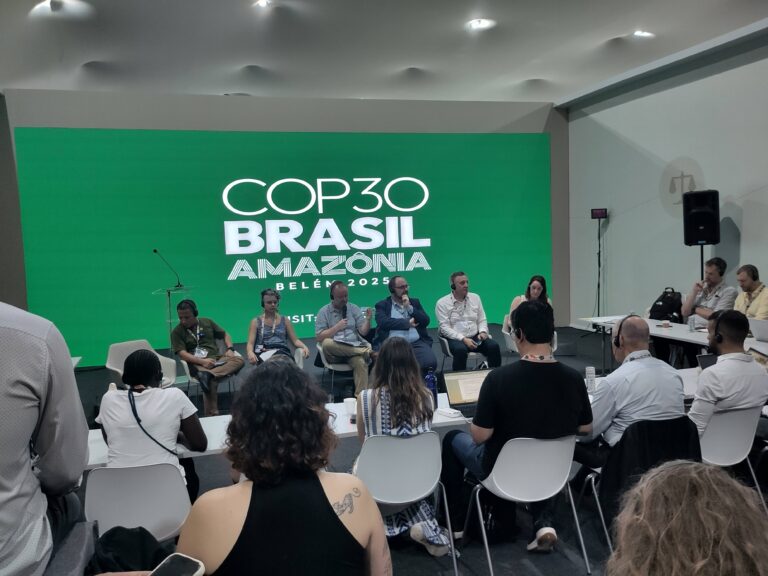
Reflecting on the first week of COP30, Alex shared:
“This week has demonstrated that governments, the private sector, non-governmental organisations, multilateral institutions can work together to create plans to strengthen information integrity. Across this week we have heard from everyone from the COP Presidency to scientists, to mayors, businesses and frontline climate defenders that this is a critical issue for climate action. We are proud to have played our part in these initiatives and to ensure information integrity is a prominent issue at COP30 and going forward”
Final Thoughts
The end of COP30 saw information integrity directly mentioned in the final Global Mutirão text, marking a recognition of the need to protect the integrity of climate information on a global scale. These two weeks of COP30 have represented a culmination of the hard work of many organisations that have worked tirelessly to get information integrity included on the UNFCCC action agenda. While successful, this is just the start of another journey where we need to ensure states and organisations uphold their commitments to protecting climate information integrity.
COP30 has finished, but there are actions you can take year-round:
- Use the CAAD definition to guide you when considering the content you want your advertising to be featured next to or when auditing inventory to establish approval or block lists.
- If you are meeting contacts within tech platforms, ask them about their plans regarding climate Information Integrity and how they are tackling the problem.
- Refer to CAN’s Sustainability Guide for guidance on how to support the information integrity of climate content, and on promoting positive climate messages in advertising.
- Review the recommendations for advertisers within the United Nations Global Principles for Information Integrity (see pages 27-28).
This was a significant year at COP30, and we look forward to attending COP31 next year in Turkey to continue our commitment to upholding climate information integrity. In the meantime, CAN continues to advocate for sustainable advertising. To find out more, read our Guiding Principles here.